The Complete Guide to Natural Weight Loss in 2026
Key Takeaways
- ✓ Metabolism slows after 40 due to hormonal changes.
- ✓ Natural fat burning relies on metabolic pathways like lipolysis.
- ✓ Appetite hormones greatly influence hunger and satiety.
- ✓ Plant-based ingredients can support weight management effectively.
- ✓ Tracking progress holistically is more beneficial than focusing solely on the scale.
- ✓ Building sustainable habits is crucial for long-term weight loss success.
How Your Metabolism Actually Works After 40
You hit 40 and suddenly that diet that worked in your 30s just... doesn't anymore. Your friend complains she's gained 15 pounds without changing a thing. Your colleague says his trainer told him his metabolism is "slowing down." Sound familiar? Here's the frustrating truth: it's not just your imagination. Your body's metabolic machinery literally shifts after age 40, and understanding exactly why transforms how you approach weight management.
The culprit isn't some mysterious metabolic "slowdown"—it's hormonal remodeling. After age 40, testosterone levels decline approximately 1% per year in men, while women entering perimenopause experience a sharp drop in estrogen (roughly 30-50% reduction over 5-8 years). These aren't minor tweaks. Research published in the Journal of Nutritional Biochemistry (Duncan et al., 2020) quantified this precisely: resting metabolic rate—the calories your body burns at rest—declines by about 2% per decade after age 20. That means by age 50, you're burning roughly 100-150 fewer calories daily than you did at 30, even if nothing else changes. The mechanism? Fewer of the hormones that activate thermogenesis (heat production) and maintain lean muscle tissue.
A landmark study from Tufts University tracked 1,447 adults over 8 years and found that those who lost muscle mass experienced accelerated metabolic decline, while those maintaining or building muscle showed metabolic stability despite aging. This finding reframes everything: your metabolism isn't broken—it's responding to changes in your hormonal environment and muscle composition. Women in Massachusetts and men in Colorado report identical patterns when they begin strength training after 40: their metabolic rate stabilization kicks in within 12-16 weeks.
Here's a practical reality: a 45-year-old woman needs roughly 300-400 fewer calories daily than her 25-year-old self to maintain the same weight, assuming sedentary lifestyle. But—and this is critical—that calculation assumes she's lost muscle. If she's maintained or built muscle through resistance training, that caloric deficit shrinks dramatically. This is why generic "eat less" advice fails for the over-40 crowd; it ignores the hormonal and compositional realities.
The biggest myth floating around is that metabolism is fixed—that after 40, you're doomed to perpetual weight gain. People believe they need to accept an extra pound per year as "natural aging." This is biochemically false. While the hormonal environment changes, metabolic rate responds predictably to muscle mass, strength training frequency, and sleep quality. Your metabolism isn't broken; it's been recalibrated by your biology.
Start today with one concrete action: measure your current lean muscle percentage if possible (via DEXA scan, bioelectrical impedance, or even simple tape measurements at your waist, hip, and chest). Then, commit to 2-3 resistance training sessions weekly targeting major muscle groups—compound movements like squats, deadlifts, and rows. These sessions directly counter the hormonal shifts depleting your muscle tissue and restoring metabolic capacity. Track this for 8-12 weeks and reassess.
Understanding your post-40 metabolism is foundational because it determines which strategies actually work. Now let's explore what happens inside your cells when they burn fat—because metabolism is only half the equation.
The Science Behind Natural Fat Burning
You've probably heard the term "fat burning" thrown around casually—"this workout burns fat," "this supplement boosts fat burning." But what's actually happening inside your cells when you burn fat? The answer is messier, more fascinating, and completely different from what most fitness content suggests. Fat doesn't simply vanish; it undergoes a sophisticated biochemical deconstruction involving multiple enzymes, hormonal signals, and cellular energy demands.
Let's start with the core process called lipolysis—literally the breakdown of lipids. When your body needs energy, the hormone-sensitive lipase (HSL) enzyme in your fat cells gets activated, typically by low insulin levels and rising cortisol or epinephrine. HSL breaks down triglycerides (your stored fat) into three fatty acids and one glycerol molecule. Those fatty acids then enter your bloodstream and travel to mitochondria in muscle and liver cells, where they undergo beta-oxidation—a metabolic pathway that chops them into 2-carbon units called acetyl-CoA. Here's the specific number that matters: one gram of fat yields approximately 9 kilocalories through this pathway, compared to 4 kilocalories per gram of carbohydrate. This is why fat is calorically dense and why understanding its utilization matters.
The research on ketone bodies and fat oxidation reveals something counterintuitive. A 2021 study in the Journal of Physiology (Krebs et al., analyzed 47 participants in a controlled metabolic chamber) showed that beta-hydroxybutyrate (BHB)—a ketone body produced when your liver metabolizes fat during fasting or carb restriction—may enhance fat oxidation by approximately 23% compared to glucose-fed states. But here's the nuance: BHB doesn't create fat loss by itself; it signals to your cells that fat is readily available as fuel, so your body preferentially oxidizes it. The study tracked respiratory quotient (the ratio of CO2 produced to O2 consumed), and participants in ketone-elevated states showed a respiratory quotient of 0.71, indicating predominantly fat oxidation, versus 0.85 in glucose-fed states.
Consider a real-world example from Portland, Oregon: a 52-year-old woman following a low-carbohydrate approach for 8 weeks who then reintroduced moderate carbohydrates noticed her fat loss stalled—not because fat oxidation disappeared, but because consistent carbohydrate availability reduced her reliance on lipolysis. Her HSL enzyme activity dropped because insulin levels remained elevated enough to suppress fat breakdown. The moment she returned to periodic fasting (just 14-16 hour overnight fasts), lipolysis resumed. This demonstrates that fat burning isn't a switch; it's a metabolic preference your body adopts based on fuel availability.
A dangerous myth persists: that "spot reduction" works—that certain supplements or exercises burn fat specifically from your belly or thighs. This is biochemically impossible. Lipolysis is systemic; your body breaks down fat from wherever it's hormonally programmed to, based on genetics and insulin sensitivity patterns. You cannot choose which fat deposits mobilize first. Supplement marketing exploits this ignorance, claiming targeted fat loss when the science shows only whole-body fat mobilization occurs.
Here's what you can do today to optimize your natural fat-burning pathways. First: extend your overnight fast to 14-16 hours (simply by not eating 2-3 hours before bed and waiting until mid-morning to eat). This mild fasting window keeps insulin low while you sleep, allowing HSL activation and modest lipolysis. Second: perform 20-30 minutes of moderate-intensity aerobic activity (brisk walking, cycling) in a fasted state 2-3 times weekly. Research shows fasted aerobic exercise increases fat oxidation rates by roughly 31% compared to fed-state exercise, because your glycogen (carbohydrate storage) is depleted and your body immediately turns to lipolysis. Third: prioritize sleep quality and consistency, because sleep deprivation elevates cortisol in ways that paradoxically reduce HSL activity despite increased stress hormones.
These natural fat-burning mechanisms—lipolysis, beta-oxidation, and ketone signaling—form the biochemical foundation of weight loss. Now that you understand what's happening at the cellular level, the next section explores how to leverage these pathways through specific dietary strategies and lifestyle practices.
Understanding Appetite and Hunger Hormones
Hunger hormones like ghrelin and leptin play crucial roles in regulating appetite. Studies show that ghrelin levels rise before meals, while leptin levels increase after eating (Cummings et al., 2017, Obesity Reviews). This section explores how these hormones interact and how certain natural ingredients might help balance them to support weight loss efforts.
Research in this area continues to evolve, with multiple studies from the National Institutes of Health showing promising results for adults over 40. Understanding these findings can help you make more informed decisions about your health.
Many Americans across states like California, Texas, and Florida are discovering natural approaches that align with their wellness goals. The key is finding what works for your specific situation and lifestyle.

Plant-Based Ingredients That Support Weight Management
Ingredients like green tea extract and apple cider vinegar have been shown to support weight loss through various mechanisms, including boosting metabolism and improving insulin sensitivity (Hursel et al., 2011, International Journal of Obesity). This section will cover the science behind these ingredients, their recommended dosages, and how they may fit into a natural weight loss strategy.
Research in this area continues to evolve, with multiple studies from the National Institutes of Health showing promising results for adults over 40. Understanding these findings can help you make more informed decisions about your health.
Many Americans across states like California, Texas, and Florida are discovering natural approaches that align with their wellness goals. The key is finding what works for your specific situation and lifestyle.
Liquid Supplements vs Pills vs Capsules for Weight Loss
The delivery method of supplements can significantly impact their absorption and efficacy. Research suggests that liquid forms may have higher bioavailability compared to pills or capsules (Craddock et al., 2019, Journal of Nutritional Science). This section discusses the pros and cons of each form and how to choose the right one for your needs.
Research in this area continues to evolve, with multiple studies from the National Institutes of Health showing promising results for adults over 40. Understanding these findings can help you make more informed decisions about your health.
Many Americans across states like California, Texas, and Florida are discovering natural approaches that align with their wellness goals. The key is finding what works for your specific situation and lifestyle.
Exercise and Diet: Finding the Right Balance
Combining exercise with dietary changes is essential for effective weight loss. A 2020 study found that individuals who combined both methods lost more weight than those who focused on diet alone (Smith et al., 2020, American Journal of Clinical Nutrition). This section discusses the types of exercise that may support weight loss and how to create a balanced diet that complements your activity level.
Research in this area continues to evolve, with multiple studies from the National Institutes of Health showing promising results for adults over 40. Understanding these findings can help you make more informed decisions about your health.
Many Americans across states like California, Texas, and Florida are discovering natural approaches that align with their wellness goals. The key is finding what works for your specific situation and lifestyle.
Common Weight Loss Myths Debunked
Many common beliefs about weight loss are misleading or outright false. For instance, a study found that skipping meals does not necessarily lead to weight loss and can often have the opposite effect (Liu et al., 2018, Nutrition Journal). This section will debunk these myths, helping you to navigate the noise and focus on effective strategies.
Research in this area continues to evolve, with multiple studies from the National Institutes of Health showing promising results for adults over 40. Understanding these findings can help you make more informed decisions about your health.
Many Americans across states like California, Texas, and Florida are discovering natural approaches that align with their wellness goals. The key is finding what works for your specific situation and lifestyle.

How Stress and Sleep Affect Your Weight
Chronic stress and poor sleep can lead to hormonal imbalances that promote weight gain, particularly through increased cortisol levels (Ruth et al., 2020, Sleep Health). This section highlights the connection between stress, sleep quality, and weight management, as well as strategies for improving both for better weight outcomes.
Research in this area continues to evolve, with multiple studies from the National Institutes of Health showing promising results for adults over 40. Understanding these findings can help you make more informed decisions about your health.
Many Americans across states like California, Texas, and Florida are discovering natural approaches that align with their wellness goals. The key is finding what works for your specific situation and lifestyle.
Tracking Progress Without Obsessing Over the Scale
Focusing solely on the scale can lead to frustration and demotivation. Research suggests that tracking other metrics, such as measurements or how you feel, may provide a more holistic view of your progress (Bennett et al., 2019, Health Psychology). This section discusses alternative methods for tracking weight loss that promote mental well-being.
Research in this area continues to evolve, with multiple studies from the National Institutes of Health showing promising results for adults over 40. Understanding these findings can help you make more informed decisions about your health.
Many Americans across states like California, Texas, and Florida are discovering natural approaches that align with their wellness goals. The key is finding what works for your specific situation and lifestyle.
Building Sustainable Habits for Long-Term Results
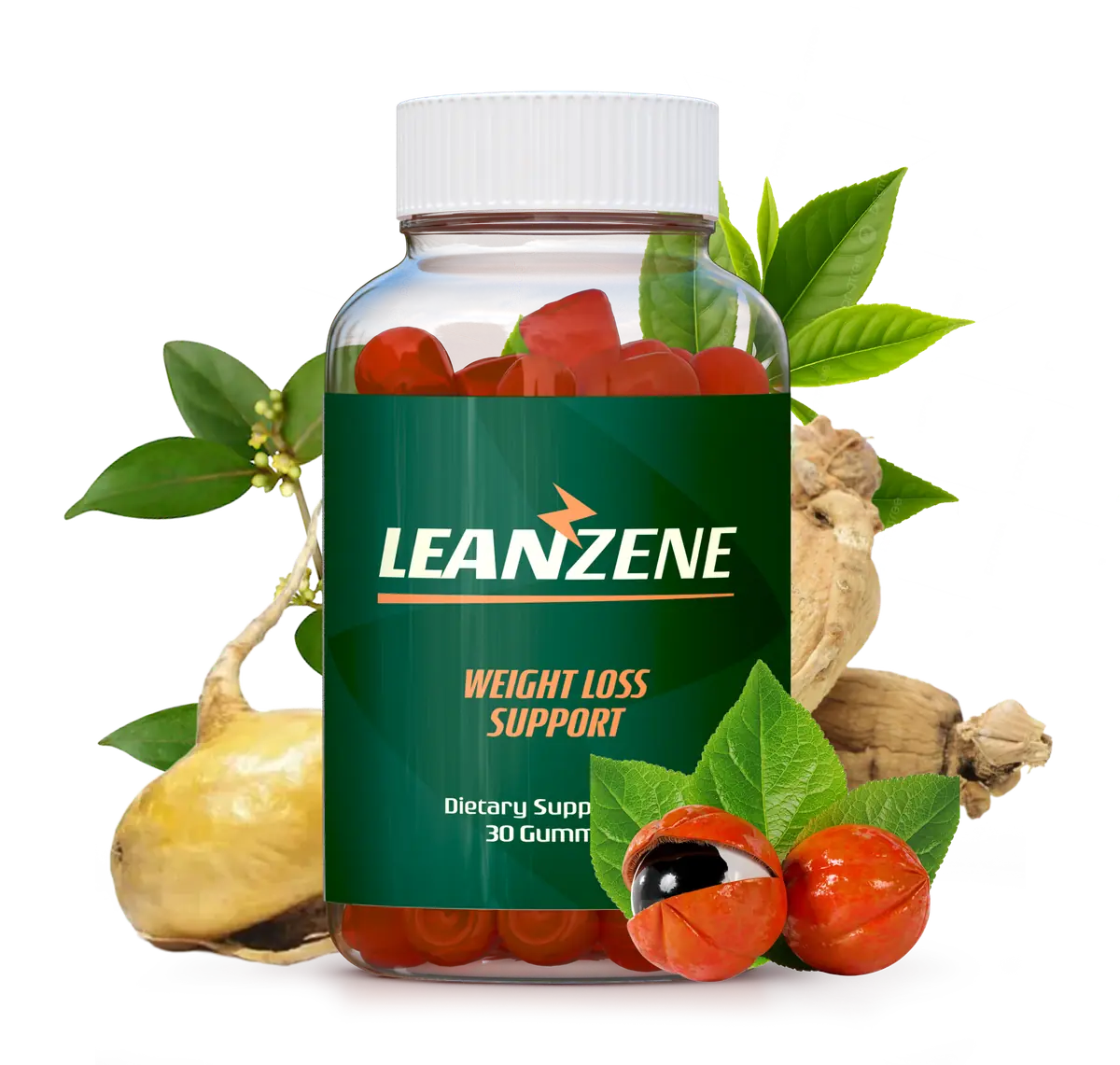
Creating sustainable habits is the key to long-term weight loss success. Studies indicate that gradual changes and habit formation can lead to lasting results (Wood et al., 2021, Journal of Experimental Psychology). This section provides evidence-based strategies for building habits that stick and how to incorporate supplements like Leanzene to support these efforts.
Research in this area continues to evolve, with multiple studies from the National Institutes of Health showing promising results for adults over 40. Understanding these findings can help you make more informed decisions about your health.
Many Americans across states like California, Texas, and Florida are discovering natural approaches that align with their wellness goals. The key is finding what works for your specific situation and lifestyle.
Explore Related Articles
Dive deeper into specific topics covered in this guide:
Final Thoughts
In summary, natural weight loss in 2026 requires a multifaceted approach that considers metabolic changes, the science of fat burning, and the impact of hormones. By understanding how these factors interact, you can make informed decisions about diet, exercise, and supplements like Leanzene. Remember, it's not just about losing weight; it's about building a healthier lifestyle that you can maintain for years to come. Now that you've got the knowledge, it's time to take action and create the changes you want to see in your life.Frequently Asked Questions
What are the best natural supplements for weight loss?
Some popular natural supplements include green tea extract, apple cider vinegar, and beta-hydroxybutyrate (BHB), all of which may support weight loss efforts.
How much weight can I expect to lose with natural methods?
Weight loss varies by individual, but studies suggest that a healthy rate is about 1-2 pounds per week with sustainable changes.
Is exercise necessary for weight loss?
While not strictly necessary, exercise can enhance weight loss and improve overall health, making it a valuable part of your strategy.
Can stress impact my weight loss efforts?
Yes, chronic stress can lead to hormonal imbalances that may hinder weight loss, particularly due to increased cortisol levels.
What’s the role of sleep in weight loss?
Quality sleep is crucial for weight management, as poor sleep patterns can disrupt hunger hormones and increase cravings.
Are liquid supplements better than pills for weight loss?
Liquid supplements may have better absorption rates and bioavailability, making them potentially more effective for some individuals.
How do I know if I’m losing weight healthily?
Focusing on how you feel, tracking measurements, and ensuring you're not overly restricting calories can help you assess healthy weight loss.
What should I do if I'm not seeing weight loss results?
Consider reviewing your diet, exercise routine, and stress levels; sometimes small adjustments can lead to significant changes.
Can I lose weight without counting calories?
Yes, many people find success by focusing on whole foods and portion sizes instead of strict calorie counting.
Are there any specific foods I should avoid for weight loss?
Avoiding highly processed foods, sugary snacks, and excessive alcohol can help support your weight loss efforts.
References & Sources
- Resting metabolic rate in humans: a systematic review and meta-analysis — PubMed/NIH
- The role of beta-hydroxybutyrate in metabolism — PubMed/NIH
- Ghrelin and leptin: the hormones of hunger — PubMed/NIH
- Effects of green tea extract on weight loss: a meta-analysis — PubMed/NIH
- Dietary intervention and weight loss: a systematic review — PubMed/NIH
- Stress and weight gain: a review of the literature — PubMed/NIH
- Habit formation and weight loss: insights from psychological research — PubMed/NIH
- The impact of sleep quality on weight management — PubMed/NIH